
What Is Headless Web Development and When Should a Business Use It?
Demystifying decoupled architecture, API-first content delivery, frontend freedom, and when headless is an engineering advantage vs unnecessary overhead.

- 1. Demystifying Headless: Monolithic vs Decoupled Architecture
- 2. The 3 Core Layers of a Headless Web Stack
- 3. The 4 Compounding Commercial Advantages
- 4. The Hidden Costs & Tradeoffs of Headless Architecture
- 5. Headless E-Commerce: High-Conversion Storefronts
- 6. When Headless Architecture Is an Over-Engineering Trap
- 7. The Headless Architecture Readiness Checklist
In modern web technology discussions, 'headless architecture' is frequently hailed as the ultimate paradigm of web development. Tech giants, venture-backed startups, and forward-thinking enterprises are rapidly dismantling their monolithic content management systems in favor of headless platforms. But for business executives, founders, and marketing directors, the concept often sounds needlessly academic. What does removing the 'head' of a website actually mean in practice? How does it impact your company's revenue, customer experience, and ongoing engineering expenses? In this guide, RankVRA's full-stack engineering team explains headless web development in plain commercial language, explores when it unlocks immense competitive advantages, and outlines exactly when adopting headless is an expensive over-engineering mistake.
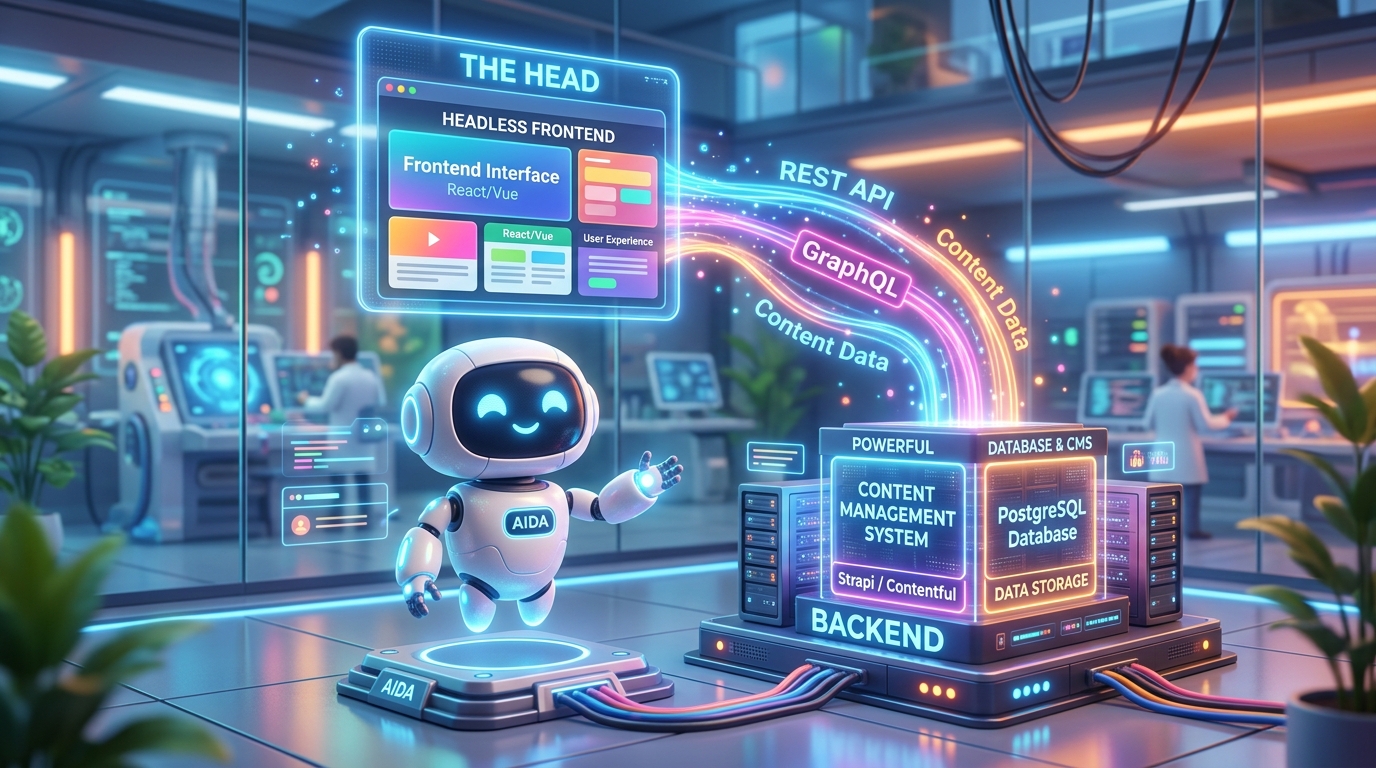
Headless web development is a modern architectural approach where the user-facing frontend presentation layer (the 'head') is completely decoupled from the backend database and content management system (the 'body'). The two layers communicate exclusively through structured REST or GraphQL APIs. This grants businesses near-instant edge performance, unlimited frontend design flexibility, and omnichannel content distribution across websites, mobile apps, and IoT kiosks—at the cost of higher initial development complexity.
1. Demystifying Headless: Monolithic vs Decoupled Architecture
Separating the graphical user interface from content storage
In traditional web architecture (such as standard WordPress, Drupal, or legacy Magento), the software is built as a single monolithic block. The database where articles, products, and images live is tightly coupled to the templating engine that generates the visual HTML pages you see in your browser. If you want to change how products look, you must edit code inside the CMS. If the CMS database is slow, your entire website grinds to a halt.
In headless web development, this monolithic bond is cleanly severed:
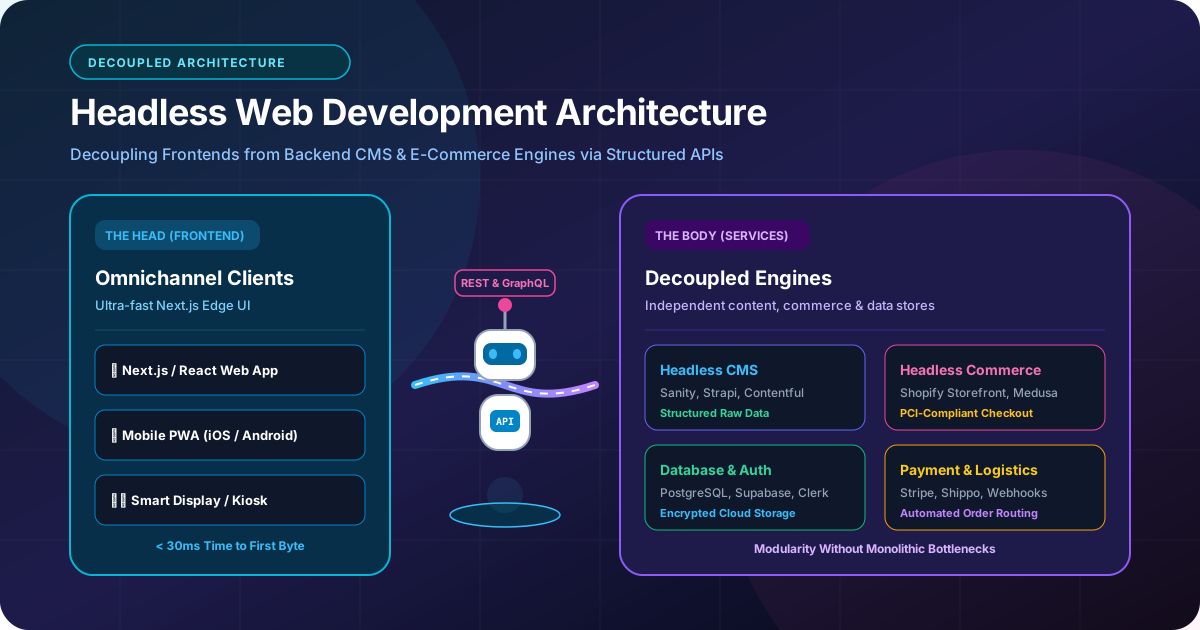
• The 'Head' (Frontend): The visual user interface that visitors interact with—engineered with ultra-fast modern frameworks like React and Next.js and deployed across global edge server networks.
• The 'Body' (Backend): The content management system or e-commerce engine where your team enters blog posts, inventory, and product descriptions (such as Sanity, Strapi, Contentful, or Shopify).
• The Bridge (APIs): Lightweight, secure JSON data feeds (REST or GraphQL) that deliver structured content from the backend to the frontend in milliseconds.
Because the frontend and backend are completely independent, your engineering team can rebuild, redesign, or deploy the frontend without touching your backend database—and vice versa.
2. The 3 Core Layers of a Headless Web Stack
How modern decoupled systems organize data and user experiences
A modern enterprise headless architecture operates across three synchronized tiers:
1. The Presentation Layer (Edge Clients): The frontend is compiled into lightning-fast static HTML and streaming React components hosted on global Anycast edge networks (like Vercel, Cloudflare, or AWS CloudFront). When a customer loads a page from London, New York, or Mumbai, the assets are served from a data center physically closest to them in under 30 milliseconds.
2. The API Contract Layer: Rather than querying a database directly, the frontend requests data through strict, type-safe API contracts. This layer handles data transformation, webhook event triggers, and automatic cache invalidation (Incremental Static Regeneration).
3. The Headless Services Layer: Instead of one massive monolithic CMS handling everything poorly, you select best-of-breed specialized engines: a dedicated Headless CMS (Sanity / Strapi) for structured marketing copy; a dedicated Headless Commerce engine (Shopify Storefront API / Medusa) for checkout; and a specialized search engine (Algolia / Meilisearch) for instant sub-10ms catalog search.
3. The 4 Compounding Commercial Advantages
Why top digital enterprises invest in decoupled web architecture
Deploying a headless stack delivers four distinct competitive advantages:
• Unrivaled Speed & Core Web Vitals: Because headless frontends are pre-compiled and served directly from edge CDNs, they eliminate server-side database bottlenecks. This routinely yields 95+ Google PageSpeed scores, reducing bounce rates and lifting organic search visibility.
• True Omnichannel Publishing: In a monolithic CMS, your content is locked inside website HTML. In a headless CMS, content is stored as clean, structured raw data. That single product description or blog post can be published simultaneously to your web platform, native iOS app, Android application, smart digital billboards, or customer portal without duplicate entry.
• Complete Design Freedom: Designers and frontend engineers are no longer constrained by the rigid theme structures, CSS limitations, or PHP rendering quirks of traditional CMS platforms. Any interactive experience your team can conceptualize can be built.
• Hardened Cybersecurity: In a headless architecture, your administrative CMS and database are hosted on a private cloud domain isolated behind firewalls. The public web only interacts with static CDN files and API endpoints, eliminating 99% of SQL injection and automated bot attacks.
4. The Hidden Costs & Tradeoffs of Headless Architecture
The realities every executive must understand before embarking on a headless migration
Despite its immense power, headless architecture is not a silver bullet. It introduces meaningful operational complexity:
1. Higher Upfront Engineering Cost: Building a headless site requires architecting two separate systems (the frontend client and the backend CMS schemas) plus the API integration layer connecting them. Initial development typically costs 30% to 60% more than a standard monolithic build.
2. Multiple Subscription Overhead: Instead of a single $30/month web hosting bill, a headless stack often involves separate monthly invoices for the frontend hosting (Vercel/AWS), headless CMS seats (Sanity/Contentful), search indexation (Algolia), and form handling.
3. Editorial Preview Complexity: In traditional WordPress, clicking 'Preview' shows your draft page instantly. In a headless setup, engineers must build custom live preview iframe integrations and webhook revalidation triggers so marketing editors can see changes before publishing.
4. Dependency on Professional Engineers: You cannot simply install a 1-click plugin from an app store to add a feature. Every new interactive module requires frontend engineering.
5. Headless E-Commerce: High-Conversion Storefronts
Pairing Shopify’s secure checkout with custom high-speed React frontends
Nowhere is headless adoption growing faster than in modern ecommerce development. Standard Shopify themes, while user-friendly, frequently suffer from code bloat caused by installing dozens of marketing and analytics apps. Each app injects third-party JavaScript tags that degrade mobile performance and lower checkout conversion rates.
Headless e-commerce decouples the storefront from Shopify's Liquid templating engine. The customer browses a custom-built, sub-second Next.js web application. When they add an item to their cart and click checkout, the application seamlessly hands the user off to Shopify's PCI-compliant, high-security checkout pipeline via the Shopify Storefront API.
The result is the holy grail of digital commerce: the unmatched conversion speed and brand exclusivity of a custom web application combined with the battle-tested payment security and inventory management of Shopify.
6. When Headless Architecture Is an Over-Engineering Trap
When businesses should avoid headless and stick with standard platforms
We routinely advise prospective clients against headless architecture when:
• Your Website Is a Standard Corporate Brochure: If your site has 10 to 20 pages that are updated once a month, spending $15,000+ on a headless stack provides negligible commercial return over a well-coded standard CMS.
• You Lack In-House or Retained Engineering Support: If your team does not have a dedicated software partner like RankVRA to manage code repositories and API schemas, a headless stack can leave non-technical teams feeling stranded.
• You Do Not Publish Content Across Multiple Channels: If you only publish content to a single desktop/mobile website and have no plans for mobile apps or customer portals, omnichannel headless capability remains an unutilized expense.
Never adopt headless architecture simply because it is a trendy Silicon Valley buzzword. Adopt headless only when your business requires sub-second edge speed, custom frontend logic, or multi-platform content distribution.
7. The Headless Architecture Readiness Checklist
Evaluate whether your organization will benefit from a headless build
Review these criteria during technical planning:
• Does your company lose revenue or conversion rates due to sluggish mobile loading times?
• Does your marketing team need to push the same content to mobile applications, client portals, and public websites?
• Has your current monolithic CMS hit a technical wall where new features cannot be added without breaking existing plugins?
• Does your brand require unique interactive UI/UX micro-interactions that template engines cannot support?
• Does your leadership prioritize long-term intellectual property ownership and robust cybersecurity?
Key Strategic Takeaways
- Headless web development separates the frontend user interface from backend content and commerce management.
- Content is transferred via structured REST or GraphQL APIs, enabling instant edge CDN performance and omnichannel publishing.
- Headless architecture eliminates CMS security vulnerabilities and delivers 95+ Core Web Vitals on mobile devices.
- Headless requires higher initial development investment and requires professional software engineers to maintain frontend code.
- Speak with [RankVRA full-stack architects](/services/full-stack-development) to determine whether your business qualifies for a headless migration.
The Bottom Line & Next Steps
Headless web development represents the cutting edge of digital architecture, delivering unmatched speed, complete design sovereignty, and future-proof omnichannel agility. When implemented strategically for businesses with complex brand requirements or high-volume digital commerce, headless architecture transforms a sluggish website into an elite, revenue-generating commercial engine.
Questions Business Leaders Ask About headless web development
What is the difference between a headless CMS and a traditional CMS?▾
A traditional CMS (like standard WordPress) couples content storage and visual presentation together in one system. A headless CMS (like Sanity or Strapi) acts solely as a content database and API endpoint; it does not dictate how your content looks, allowing engineers to build custom frontends using any modern framework.
Is headless development better for SEO?▾
Yes, when architected properly with Server-Side Rendering (SSR) or Static Site Generation (SSG) in frameworks like Next.js. Headless sites achieve superior Core Web Vitals scores, sub-second Largest Contentful Paint (LCP), and clean semantic HTML that search engine crawlers index effortlessly.
Can non-technical marketers still edit content on a headless website?▾
Yes. Editors use modern headless CMS dashboards (such as Sanity Studio, Strapi, or Contentful) that look and feel just like WordPress or Medium, complete with live visual preview windows and media asset libraries. When they hit 'Publish', the frontend automatically revalidates and displays the new content.
How much does it cost to build a headless website?▾
A professional custom headless website typically ranges from $8,000 to $25,000+ for mid-market commercial platforms, and $25,000 to $60,000+ for enterprise multi-channel e-commerce or portal architectures, depending on API integrations and schema complexity.

Written by Naveen Panchal
AuthorFounder & Lead Technical Architect, RankVRA
Naveen Panchal is the Founder and Technical Director of RankVRA. He specializes in full-stack web engineering, Next.js architecture, and high-performance digital systems for clients across the US, UK, Canada, and India.
Explore Core Commercial Capabilities
Bespoke full-cycle web architecture and development.
End-to-end decoupled frontend, backend, and database engineering.
Connect headless frontends with robust enterprise backend APIs.
High-performance React and Next.js frontend interfaces.
- Next.js: Next.js Static Site Generation and SSROfficial Reference
- W3C: W3C Headless & Decoupled Web StandardsOfficial Reference
- GraphQL Foundation: GraphQL Official SpecificationsOfficial Reference
Ready to Upgrade to High-Performance Headless Architecture?
Consult with RankVRA full-stack technical architects to evaluate whether a headless CMS or headless e-commerce stack will unlock measurable performance and conversion gains for your enterprise.
Related Growth Blueprints
Explore more strategic articles from the RankVRA engineering desk.
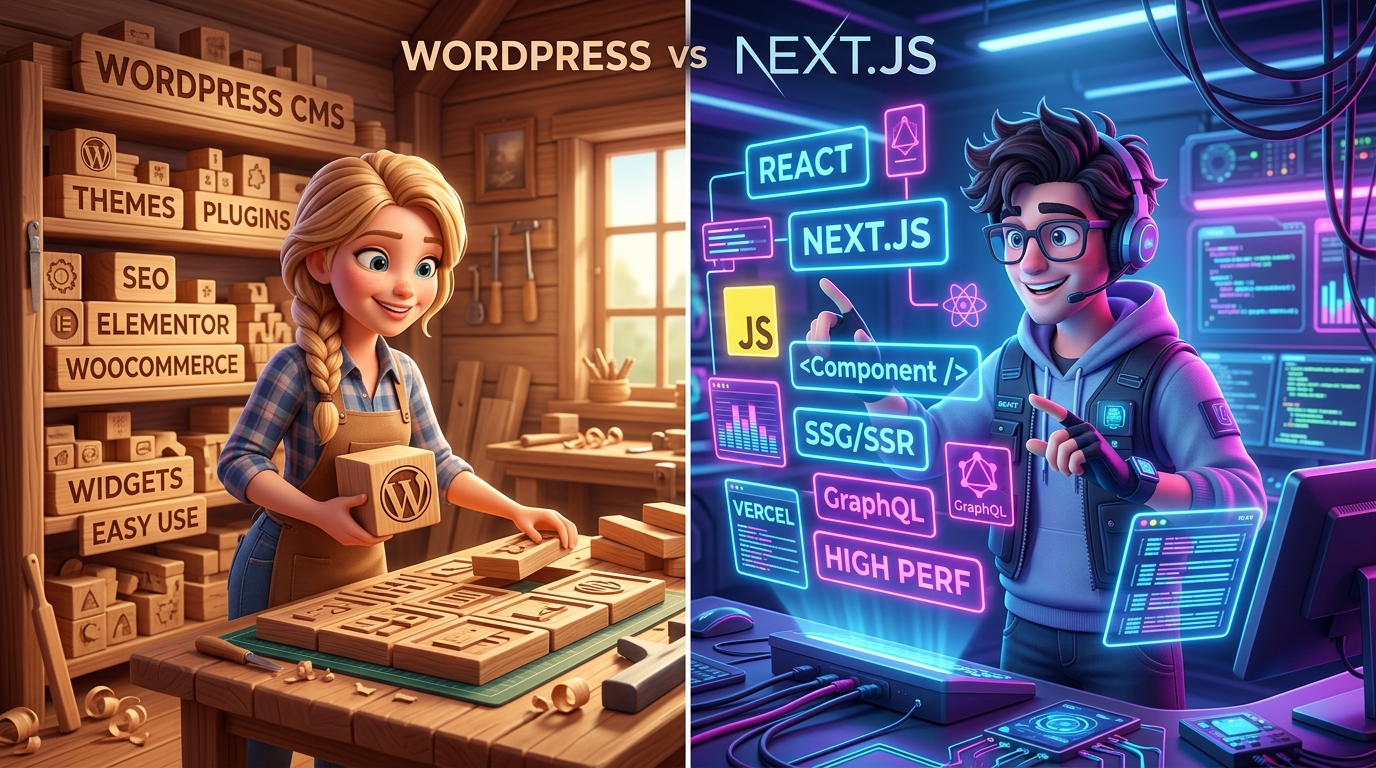
WordPress vs Custom Web Development: Which Is Right for Your Business?
WordPress or custom web development? Discover an unbiased engineering comparison of cost, scalability, security, performance, maintenance, and long-term ownership.
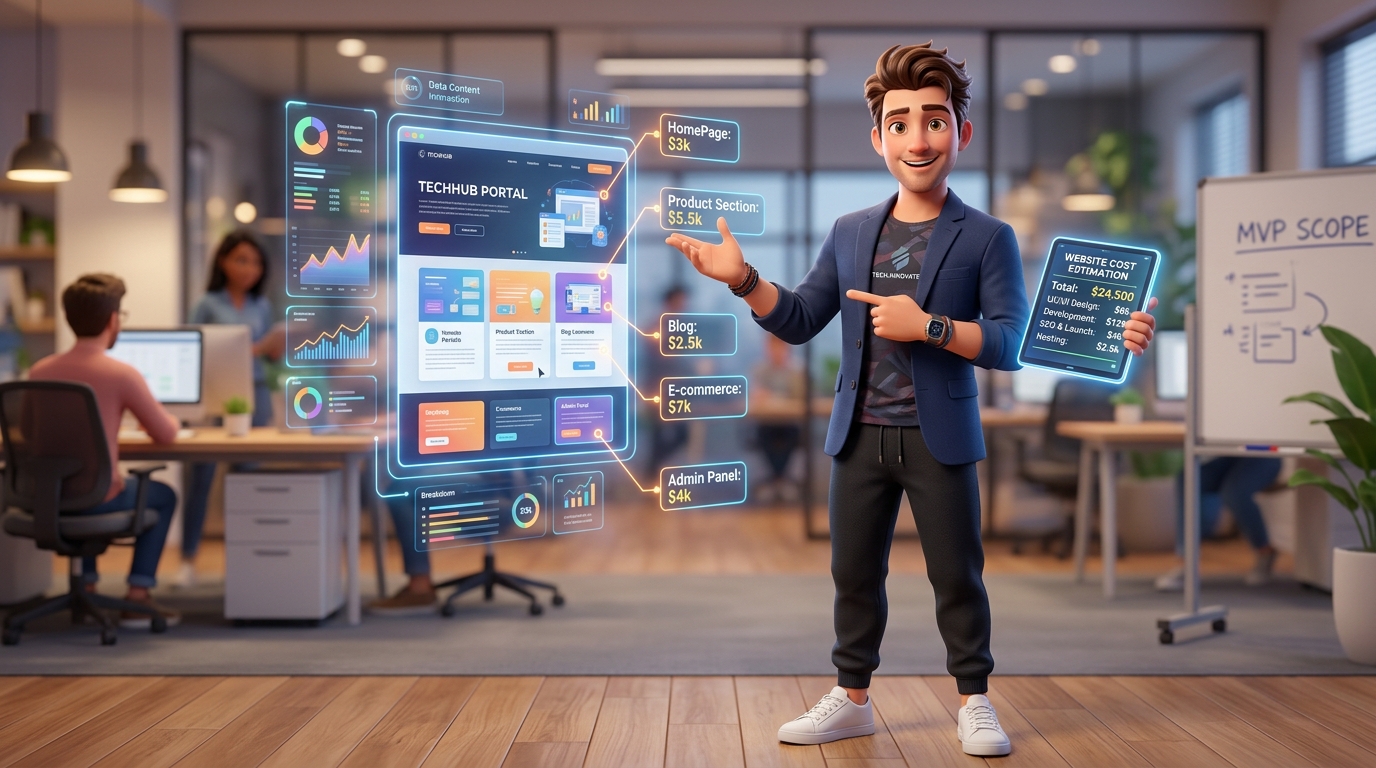
How Much Does It Cost to Build a Business Website in 2026?
How much does a business website cost in 2026? Explore the real cost drivers—design complexity, page count, CMS, custom integrations, security, and maintenance.
Frontend vs Backend Development: What Does Your Business Actually Need?
Understand the practical differences between frontend and backend development. Discover which layer drives user conversion vs data security, and how to allocate your budget.
How API Integration Can Connect Your Website With Business Tools
Discover how website API integration eliminates manual data entry, automates lead hand-offs, syncs payments, and connects your web application to enterprise tools.